Technical note: Product performance, supported metals, protection duration and compliance claims must be confirmed against the selected supplier's technical documentation and application testing.
What Is a VCI Bag?
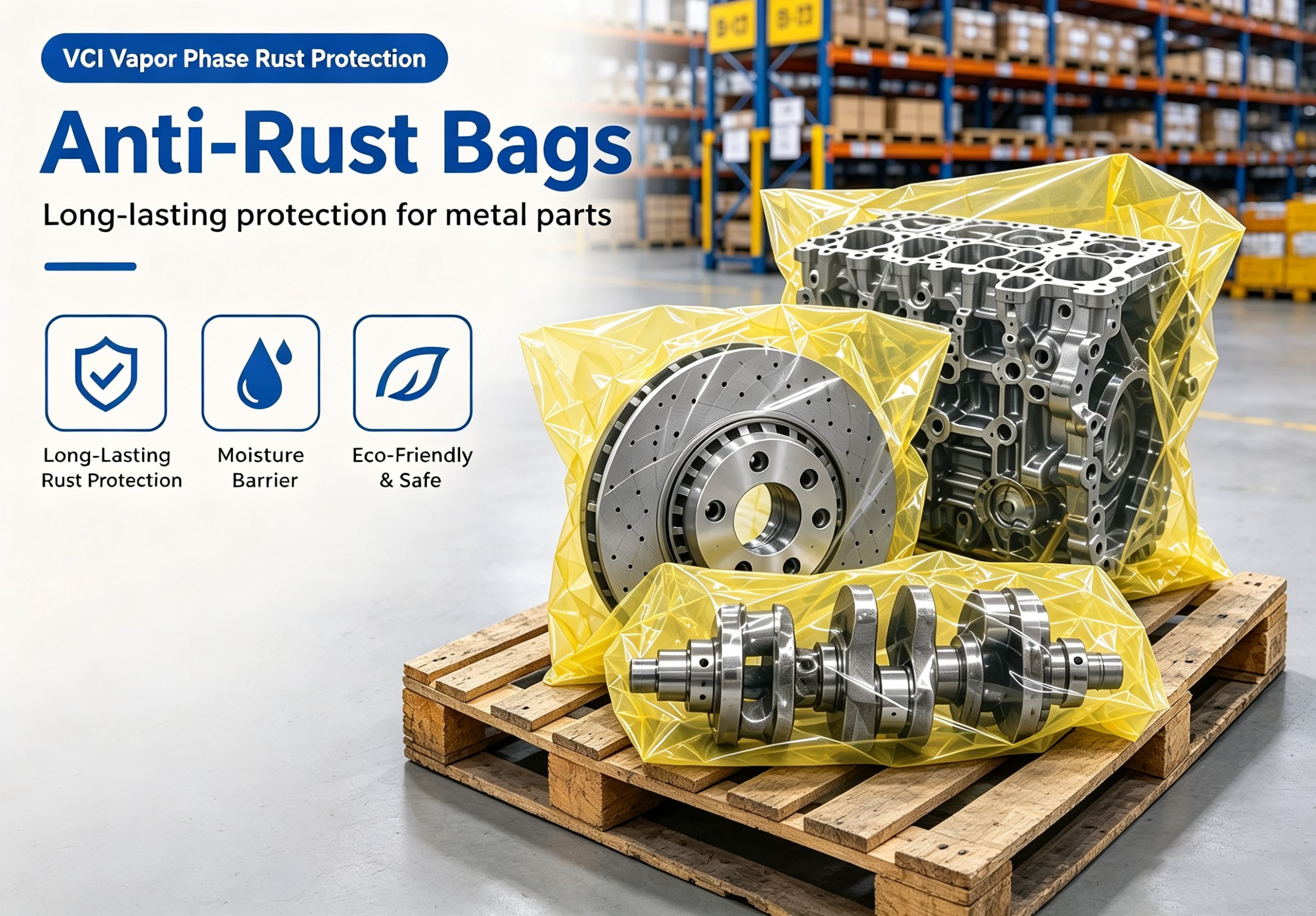
A VCI (vapor corrosion inhibitor) bag is protective packaging formulated to help reduce corrosion of compatible metal surfaces in a suitably enclosed space. It is often made from polyethylene containing corrosion-inhibiting additives. Unlike ordinary plastic bags, a properly selected VCI bag is intended to provide both physical packaging and corrosion-inhibiting functionality.
How Do VCI Bags Work?
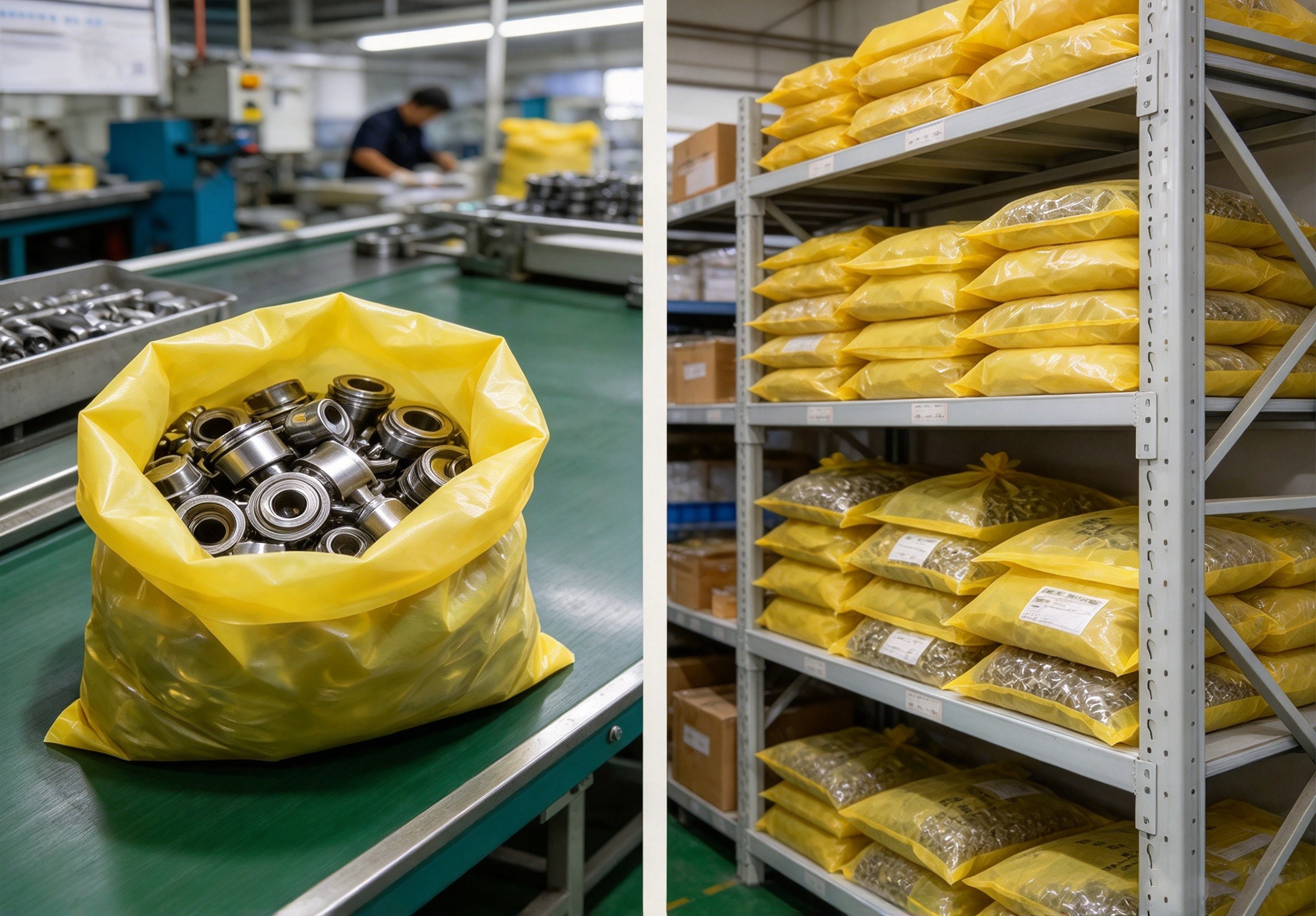
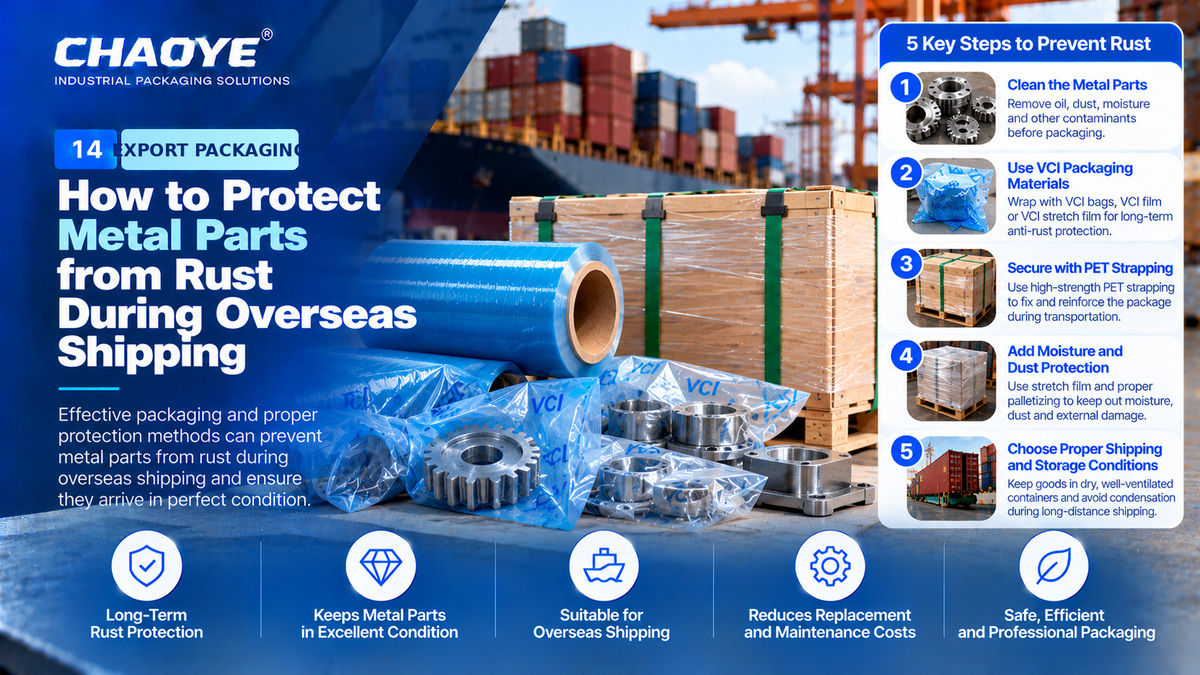
First, clean and dry the metal parts. Next, place them in a compatible VCI bag and close it according to the manufacturer’s instructions. The VCI formulation acts within the enclosed packaging environment to help reduce corrosion reactions. Performance depends on metal compatibility, packaging integrity, moisture, temperature, and exposure duration.
Common VCI Bag Formats
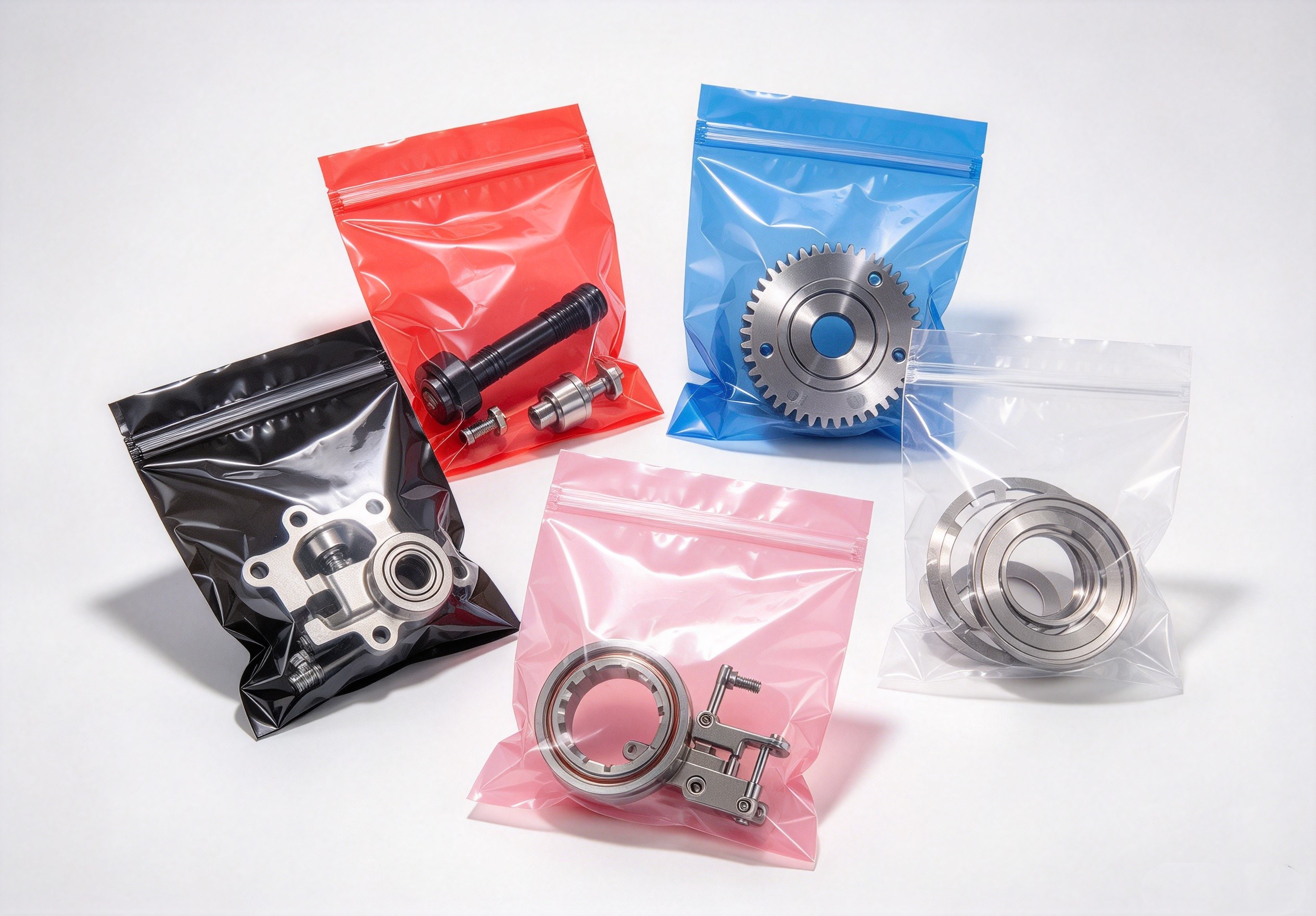
VCI flat bags suit many individual parts and small assemblies. Gusseted bags accommodate bulky or irregular components. Zipper bags can be useful for inventory that needs periodic access, subject to closure suitability. Pallet bags and covers are used for larger assemblies or palletized loads.
Typical Industrial Applications
Applications include machined parts, bearings, gears, automotive components, spare parts, and export packaging. Heavy, sharp-edged, or delicate items may also require cushioning, edge protection, desiccants, or additional barriers.
VCI Bags vs Ordinary Plastic Bags
Ordinary polyethylene bags mainly provide a physical barrier. VCI bags add a corrosion-inhibiting formulation designed for compatible metals. Neither format should be assumed to prevent condensation or protect indefinitely; select the complete packaging system for the actual route and storage environment.
How to Select and Use VCI Bags
Specify metal grade, dimensions, part weight, cleanliness, packaging duration, destination, and expected conditions. Confirm formulation compatibility, film thickness, closure method, and supplier test documentation. Do not package visibly wet parts, and protect bags from puncture.
Frequently Asked Questions
Can VCI bags replace anti-rust oil? Sometimes, if the application is validated. Are VCI bags reusable? Only if the manufacturer confirms suitability and the material remains intact. How long do they protect? There is no universal period; request application-specific data.
Need VCI Packaging for Your Metal Parts?
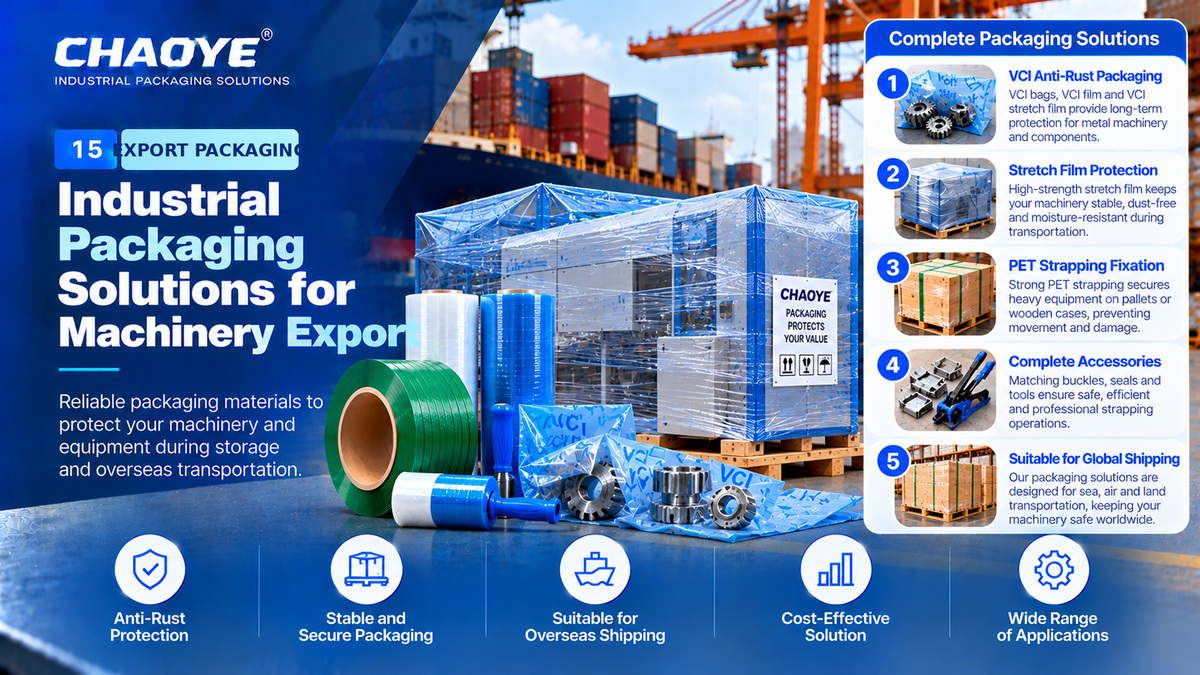
Tell CHAOYE your metal type, dimensions, packing quantity, storage duration and shipping destination to discuss suitable options.
Request a Quote →Related VCI Packaging Guides
VCI Bags vs VCI Paper: Which Is Better for Metal Packaging? How to Use VCI Bags for Metal Parts: Step-by-Step Guide How Long Do VCI Bags Last? Factors Affecting Protection Types of VCI Bags: Flat, Gusseted, Zipper and Pallet Covers